
Sustainable Building Solutions
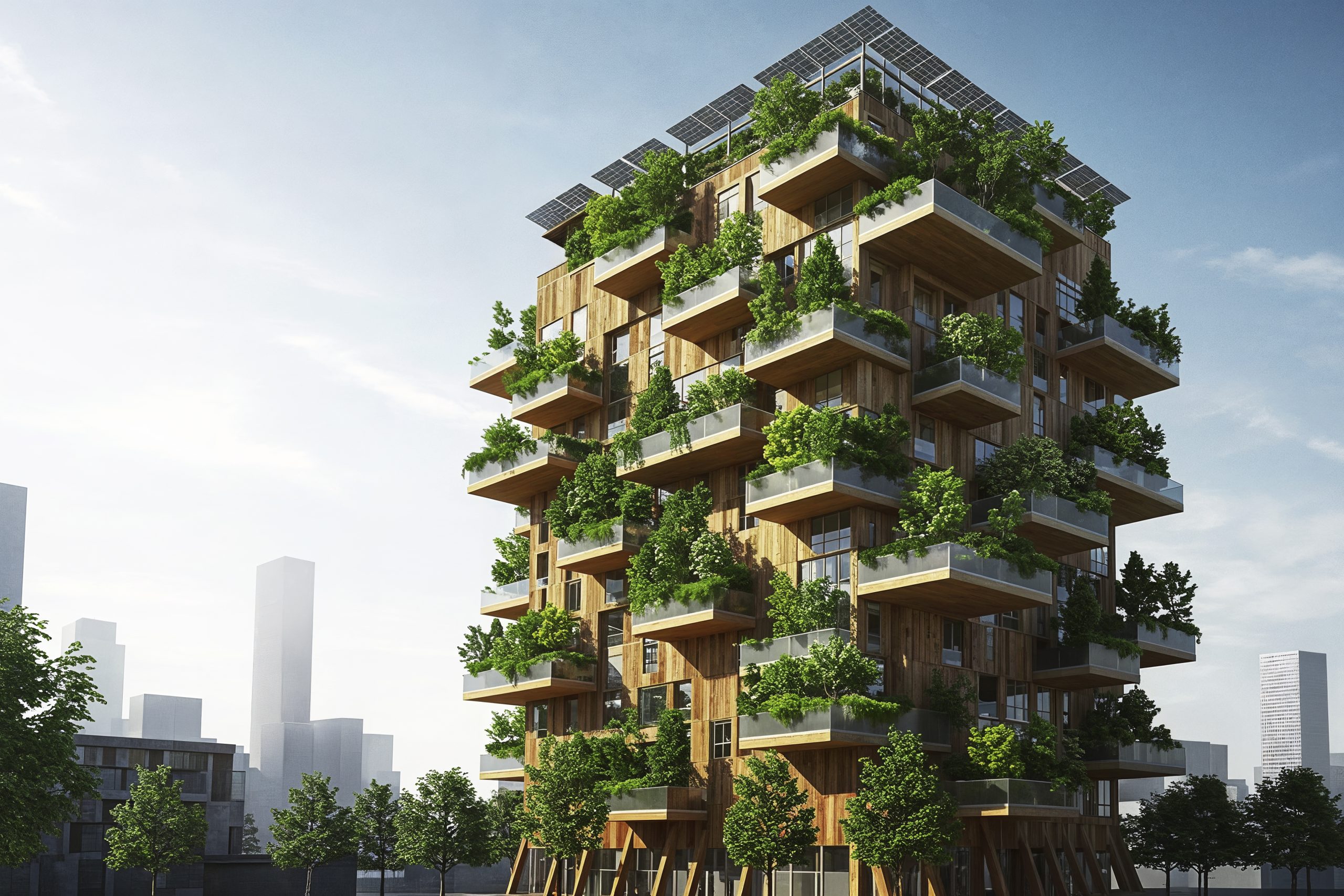
Sustainable building solutions emphasize creating structures that reduce environmental impact and use resources wisely. They focus on improving energy efficiency while supporting occupant comfort and overall well-being. From initial design through long-term operation, sustainable practices are integrated into every phase. This approach ensures buildings perform efficiently and responsibly throughout their lifespan. It also supports environmental protection by minimizing waste and conserving natural resources. Ultimately, sustainable buildings provide long-term economic value while promoting a healthier environment.
Services Offered for Commercial Projects
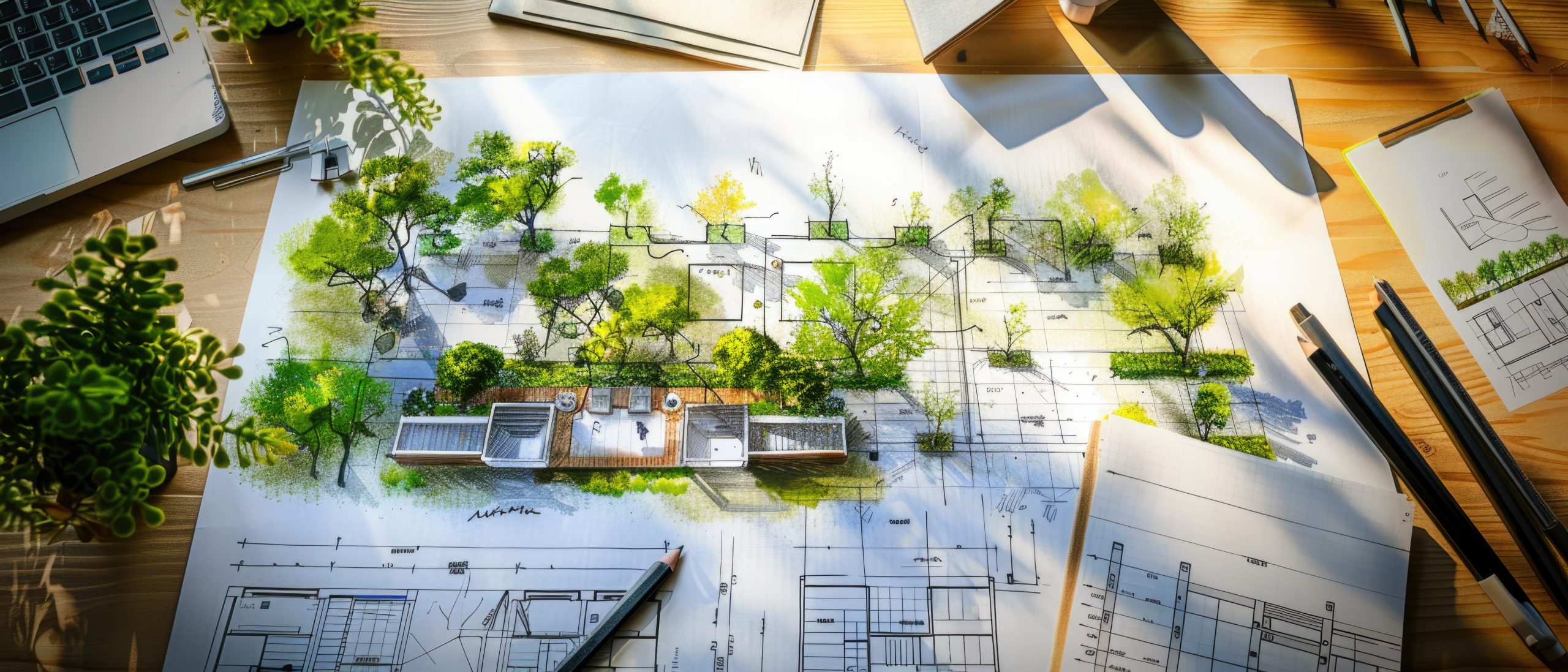
Green Building Design & Planning
Sustainability starts with thoughtful design.
Services include:
1. Site analysis for environmental impact and optimal orientation
2. Energy-efficient architectural design and natural lighting optimization
3. Passive cooling/heating strategies and ventilation planning
4. Integration of green spaces, landscaping, and biodiversity preservation
5. Sustainable material selection and circular design concepts
Energy Efficiency & Renewable Solutions
Reducing energy consumption is central to sustainable building.
Includes:
1. High-performance insulation, glazing, and building envelope design
2. LED and energy-efficient lighting solutions
3. Solar photovoltaic systems and renewable energy integration
4. Smart building management systems for energy monitoring
5. HVAC systems with energy-efficient technology


Water Conservation & Management
Efficient water use reduces environmental footprint and operating costs.
Services:
1. Rainwater harvesting systems
2. Greywater recycling and wastewater management
3. Low-flow fixtures and water-efficient appliances
4. Smart irrigation systems for landscaping
5. Leak detection and water monitoring solutions
Sustainable Materials & Construction Practices
Choosing eco-friendly materials enhances durability and reduces carbon footprint.
Includes:
1. Low-VOC paints, adhesives, and finishes
2. Recycled and renewable construction materials
3. Locally sourced materials to reduce transportation emissions
4. Modular and prefabricated construction methods
5. Waste minimization and recycling programs

Indoor Environmental Quality & Health
Sustainable buildings prioritize occupant comfort and well-being.
Services include:
1. Optimized daylighting and natural ventilation
2. Indoor air quality monitoring and filtration systems
3. Non-toxic finishes, low-emission materials
4. Acoustic comfort and thermal regulation strategies
5. Ergonomic and human-centered design features
Smart Building & Automation Integration
Technology enhances sustainability and operational efficiency.
Includes:
1. Automated lighting, HVAC, and shading systems
2 .Building management systems (BMS) for energy and water monitoring
3. Occupancy sensors and smart meters
4. Predictive maintenance for equipment efficiency
5. IoT-enabled sustainability monitoring dashboards

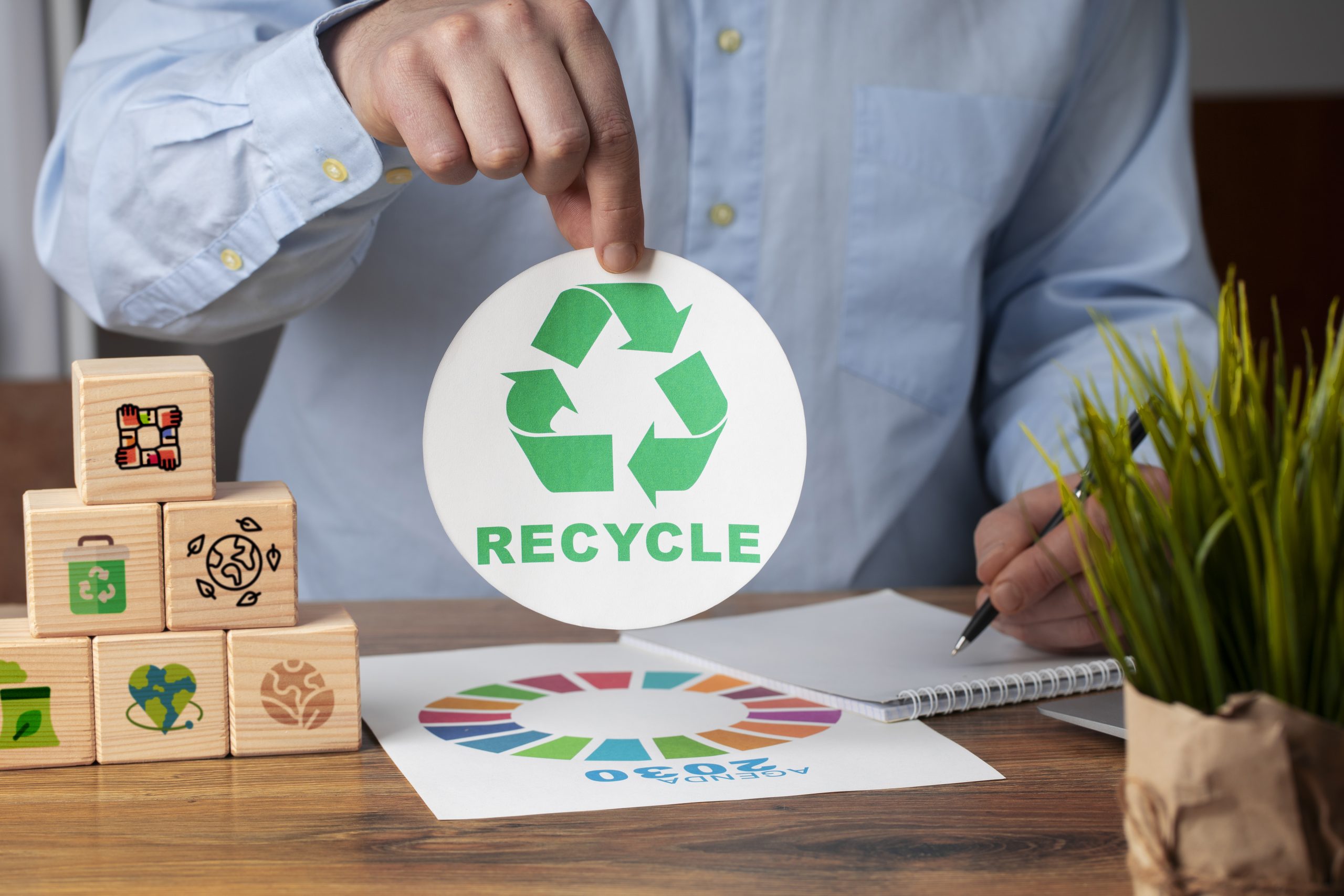
Waste Management & Circular Economy Practices
Sustainable projects manage resources efficiently and reduce landfill impact.
Services:
1. On-site construction waste segregation and recycling
2. Material reuse strategies
3. Sustainable demolition and deconstruction practices
4. Minimization of packaging and single-use materials
Certification & Compliance
We help projects achieve global sustainability certifications.
Includes:
1. LEED (Leadership in Energy and Environmental Design)
2. IGBC (Indian Green Building Council) / GRIHA
3. WELL Building Standard for occupant wellness
4. ISO 14001 environmental management compliance
5. Energy Performance Index (EPI) assessments

Post-Construction Sustainability Services
Sustainability continues after project completion.
Services include:
1. Energy and water performance monitoring
2. Green building maintenance and operation guidance
3. Sustainable landscaping management
4. Training and awareness programs for occupants
5. Periodic audits and optimization recommendations
Why Sustainable Building Solutions Matter
1. Reduces environmental impact and carbon footprint
2. Lowers long-term operational costs
3. Enhances indoor comfort, health, and productivity
4. Complies with global and local sustainability standards
5. Increases asset value and marketability
6. Demonstrates corporate social responsibility and environmental stewardship