Quality Assurance & Safety
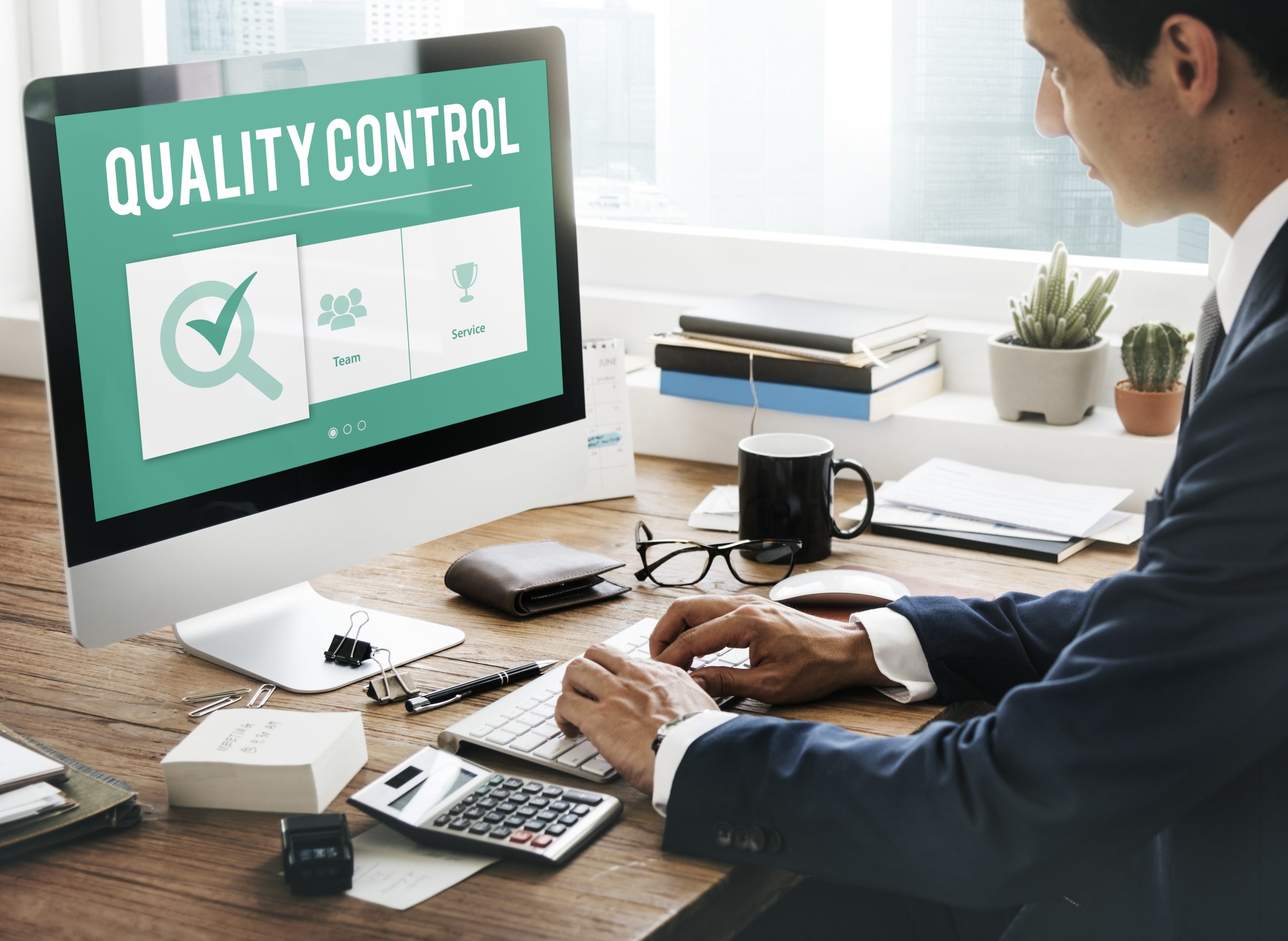
Quality Assurance (QA) and Safety Management are essential pillars of any successful real estate or construction project. They ensure that all work adheres to strict standards of durability, performance, and regulatory compliance. These practices help protect workers, clients, and future occupants throughout the construction process. Strong QA and safety measures significantly reduce risks and prevent costly delays. They also help control expenses by identifying and resolving issues early. Ultimately, effective QA and safety management enhance the long-term value and reliability of the built environment.
Services Offered for Quality Assurance & Safety

Quality Assurance (QA) Planning & Standards
We establish a structured quality program from the start of every project to ensure consistency and excellence.
Key activities include:
1. Defining project-specific quality standards and benchmarks
2. Developing QA plans aligned with national/international codes
3. Establishing inspection and testing procedures
4. Preparing method statements and work execution guidelines
5. Ensuring compliance with design specifications & contract terms
Material Quality Control & Verification
High-quality materials ensure durability, safety, and long-term performance.
Services include:
1. Approved vendor lists and pre-qualification checks
2. Verification of materials upon arrival
3. Laboratory testing (concrete, steel, soil, etc.)
4. Ensuring compliance with technical specifications
5. Rejection and replacement of non-compliant materials


Workmanship Monitoring & Site Inspections
Regular inspections ensure construction work meets technical and aesthetic standards.
Includes:
1. Daily, weekly, and monthly site inspections
2. Supervision of critical construction activities
3. Monitoring workmanship for accuracy and finish quality
4. Snag identification and timely rectification
5. Third-party quality audits, where required
Compliance with Codes, Regulations & Standards
We ensure full adherence to all statutory and technical requirements.
Compliance areas:
1. Building codes and structural norms
2. Electrical, plumbing, HVAC & fire safety regulations
3. Environmental and sustainability standards
4. Local authority requirements & permit conditions
5. Quality certifications if applicable (LEED, ISO, IGBC)


Testing & Commissioning of Building Systems
Before handover, all building services and systems are thoroughly tested.
Includes:
1. MEP system testing (electrical, plumbing, mechanical)
2. Fire-fighting and fire alarm system commissioning
3. Elevator, HVAC, and security system testing
4. Waterproofing and leak testing
5. Finishing checks for flooring, painting, and installations
Site Safety Planning & Training
Safety begins with strong planning and skilled workforce awareness.
Services:
1. Preparation of site safety plans and safety manuals
2. Toolbox talks and workforce training programs
3. Emergency response planning & hazard identification
4. Induction programs for new workers and contractors


Implementation of Health, Safety & Environment (HSE) Protocols
We implement robust systems to maintain a hazard-free construction environment.
Includes:
1. Personal protective equipment (PPE) enforcement
2. Safe work method statements (SWMS)
3. Permit-to-work systems for high-risk activities
4. Monitoring of hazardous areas and equipment
5. Housekeeping standards to prevent accidents
Regular Safety Inspections & Audits
Continuous monitoring reduces risks and ensures proactive action.
Activities include:
1. Daily site walkthroughs by supervisors
2. Weekly HSE audits and monthly safety reviews
3. Accident/incident reporting and investigation
4. Corrective action plans and follow-ups
5. Third-party safety audits if required


Environmental Protection & Sustainability Practices
Our safety standards extend to environmental care and community well-being.
Includes:
1. Dust and noise control measures
2. Waste management and recycling programs
3. Water conservation and spill prevention
4. Protection of adjacent properties & public areas
Documentation, Reporting & Continuous Improvement
Transparent documentation strengthens compliance and drives ongoing improvement.
Activities:
1. Maintaining inspection records and checklists
2. Incident and corrective action reports
3. Quality logs, safety registers, and compliance documents
4. Evaluation of contractor performance
5. Updating standards based on reviews and feedback

Why Quality Assurance & Safety Matter
1. Ensures long-lasting, defect-free construction
2. Protects workers, visitors, and end-users
3. Prevents accidents, delays, and costly rework
4. Strengthens regulatory compliance
5. Enhances customer satisfaction and project reputation
6.Improves efficiency and reduces operational risks