
Project Management
Project management involves organizing, guiding, and overseeing every phase of a project from start to finish. It focuses on meeting deadlines, staying within budget, and maintaining high standards of quality and safety. By coordinating tasks and aligning team efforts, it helps ensure clarity and accountability. Effective project management promotes strong communication among all stakeholders. It also ensures that resources are used efficiently and potential issues are addressed early. Overall, it creates a smooth, structured workflow that supports the successful completion of any project.

Services Offered for Project Management

Project Planning & Strategy Development
A solid plan ensures clarity and direction before execution begins.
Activities include:
1. Project visioning and strategy formulation
2. Defining scope, objectives, and deliverables
3. Developing detailed project schedules and milestones
4. Resource planning: labour, materials, budget & equipment
5. Risk identification and mitigation strategies
6. Establishing communication protocols
Budgeting, Cost Control & Financial Management
Cost management is crucial for project profitability and financial discipline.
Services include:
1. Initial cost estimation & budgeting
2. Cash flow forecasting and monitoring
3. Value engineering to optimize costs
4. Vendor negotiation & contract administration
5. Cost tracking against planned budgets
6. Financial reporting to stakeholders


Vendor, Contractor & Consultant Coordination
A project involves multiple teams working together. Effective coordination ensures smooth workflow.
Includes:
1. Selection and procurement of contractors, suppliers, and consultants
2. Preparing scope of work, contracts, and deliverables
3. Regular coordination meetings with all stakeholders
4. Ensuring adherence to timeline, quality, and safety expectations
5. Conflict resolution and performance monitoring
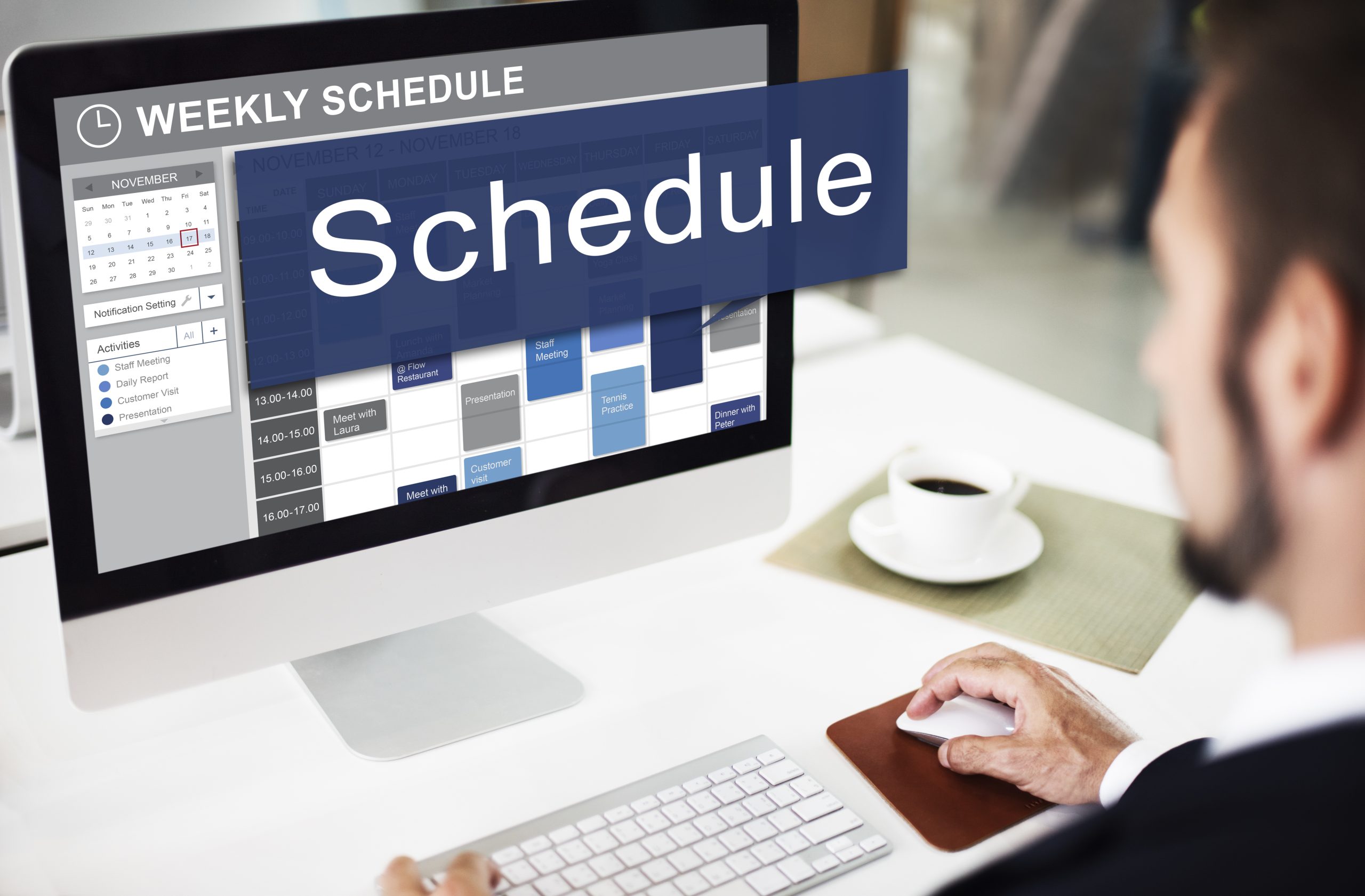
Scheduling & Progress Monitoring
Timely execution is essential for project success.
Activities:
1. Creation of detailed project schedules (Gantt charts, CPM planning)
2. Tracking progress against milestones
3. Identifying delays and implementing corrective actions
4. Maintaining daily, weekly, and monthly progress reports
5. Ensuring seamless workflow between construction phases
Quality Assurance & Control (QA/QC)
Quality is carefully monitored to meet design standards and client expectations.
Services:
1. Establishment of QA/QC guidelines
2. Regular site inspections and audits
3. Testing materials and workmanship compliance
4. Verification against architectural and engineering drawings
5. Documentation of inspection records and approvals
Health, Safety & Environmental (HSE) Management
Safety is a top priority throughout the project lifecycle.
Key tasks:
1. Implementing site safety plans
2. Ensuring compliance with safety regulations and labour laws
3. Training workers on safety procedures
4. Monitoring hazardous activities and emergency protocols
5. Environmental protection and waste management

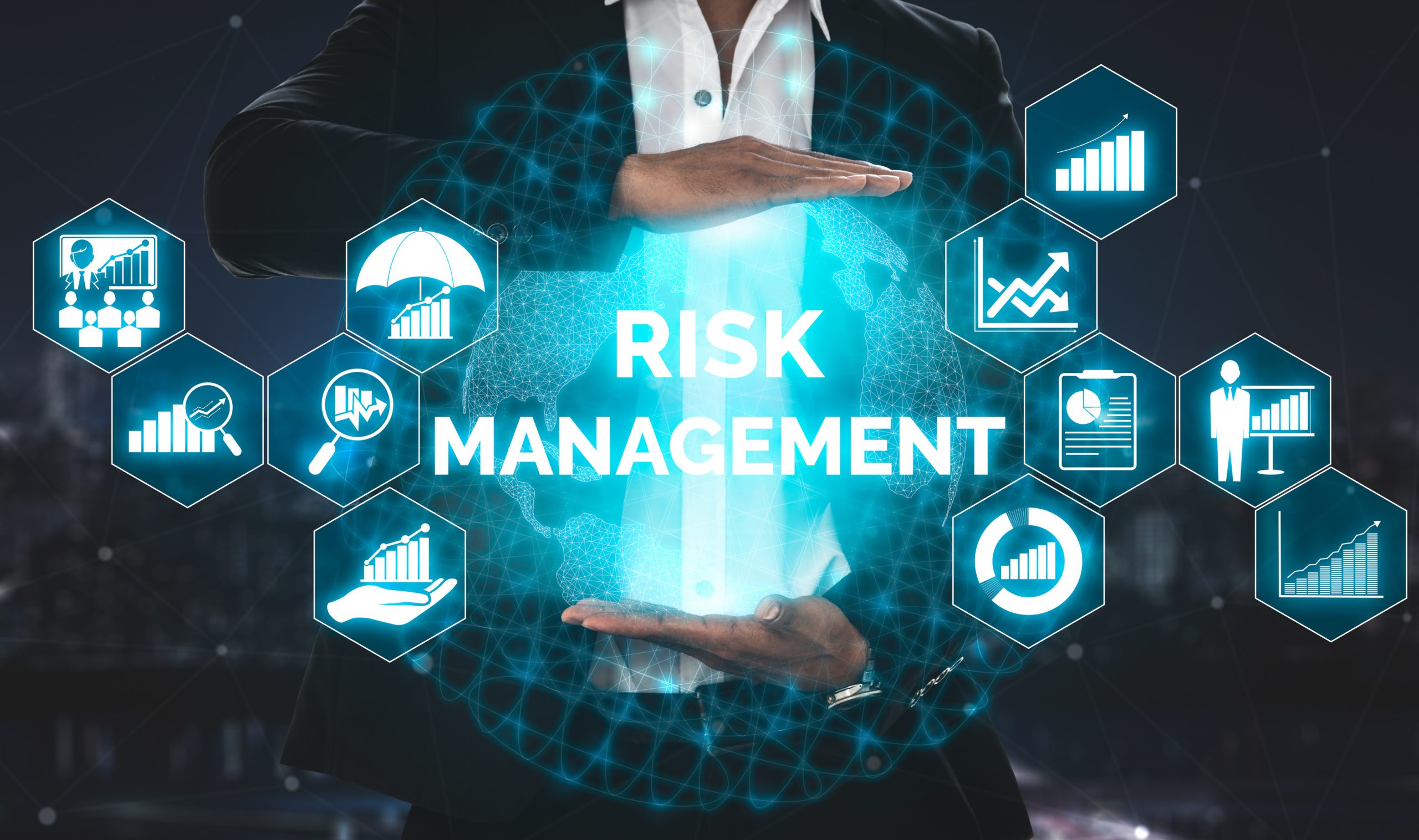
Risk Management
Proactive risk management helps prevent delays, cost overruns, and quality issues.
Includes:
1. Identifying potential project risks
2. Assessing probability and impact
3. Developing contingency plans
4. Regularly monitoring and updating risk registers
5. Quick response to unforeseen issues
Documentation & Reporting
Proper documentation ensures transparency and traceability.
Activities:
1. Maintaining project records, drawings, and logs
2. Creating progress reports and dashboards
3. Documenting approvals, claims, and variations
4. Preparing handover and final completion reports


Stakeholder Communication & Management
Clear communication keeps the entire project aligned.
Services:
1. Regular client meetings and presentations
2. Coordination between architects, engineers, contractors, and authorities
3. Transparent updates on project status, risks, and decisions
4. Client support for approvals and regulatory requirements
Construction Supervision & Site Management
On-site management ensures the project is executed according to plan.
Includes:
1. Monitoring daily construction activities
2. Reviewing contractor work and productivity
3. Ensuring design consistency and resolving site queries
4. Managing logistics, materials, and equipment on site
5. Coordinating inspections and approvals


Project Handover & Closeout
Finalizing the project requires attention to detail and coordinated execution.
Services:
1. Final quality checks and snag rectification
2. Testing and commissioning of building systems
3. Preparing as-built drawings and manuals
4. Client training for operational systems
5. Formal handover with all documentation
6. Closing financials and contracts
Post-Completion Support
Even after project completion, ongoing support ensures long-term satisfaction.
Includes:
1. Maintenance guidance and facility management support
2. Assistance with defect liability period (DLP) services
3. Performance monitoring of building systems
4. Follow-up on warranties and service agreements

Why Project Management Is Essential
1. Ensures timely and cost-efficient delivery
2. Improves coordination between all project stakeholders
3. Minimizes risks and construction delays
4. Guarantees quality control and design compliance
5. Enhances transparency and accountability
6. Leads to safer, more efficient project execution